
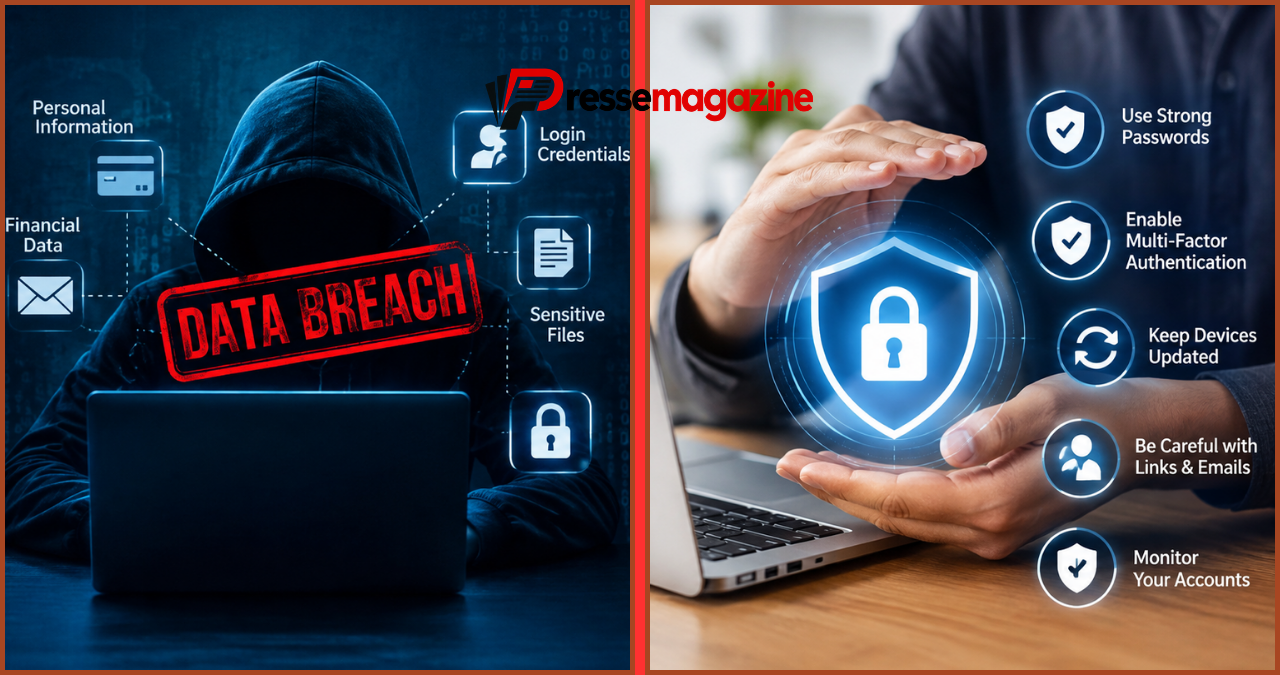
What Is a Data Breach?
A data breach is a security incident in which information is accidentally or unlawfully destroyed, lost, changed, disclosed or accessed without authorisation. Although the phrase is often associated with hackers stealing information from computer systems, a breach can also result from human error, lost equipment or poor security procedures. The Information Commissioner’s Office (ICO) explains that personal data breaches can affect the confidentiality, integrity or availability of personal information. This makes data security an important responsibility for businesses, public bodies and other organisations that collect or process personal information.
The information involved in a data breach can vary greatly depending on the organisation and the nature of the incident. It may include names, addresses, telephone numbers, email addresses, account details, passwords or other personal records. Some breaches may involve only a small amount of information, while others can affect large databases containing records belonging to thousands or millions of people. Understanding the type of information involved is important because the potential consequences depend heavily on what was exposed, who could access it and how the information might be used.
How Does a Data Breach Happen?
A data breach can happen through many different routes, and sophisticated hacking is only one possibility. Cyber criminals may gain access through phishing attacks, stolen passwords, malicious software or weaknesses in online systems. However, accidental incidents can also expose personal information, such as sending an email containing confidential details to the wrong recipient, losing a laptop or failing to follow an established security procedure. The ICO specifically recognises accidental disclosure and other human errors as possible causes of personal information breaches.
Poor security practices can make these incidents more likely or increase their potential impact. Weak passwords, excessive user permissions, outdated software and inadequate monitoring can create opportunities for unauthorised access. Organisations therefore need to consider both technology and people when protecting information. The ICO recommends appropriate technical and organisational measures based on the risks involved, including suitable security controls, risk assessments and processes for testing and improving those measures over time.
What Types of Information Can Be Exposed?
The type of information exposed during a data breach depends on what an organisation stores and processes. A retailer might hold customer names, addresses, contact details and purchase information, while an employer could have staff records containing employment and payroll information. Online services may hold usernames, passwords and account information. When several pieces of information appear together, they can provide a more detailed picture of an individual and potentially increase the consequences of unauthorised access.
Not every piece of exposed information carries the same level of risk. A publicly available business address, for example, is very different from a confidential password or sensitive personal record. However, apparently ordinary details can still become useful to criminals when combined with information from other sources. People should therefore take breach notifications seriously and carefully follow verified advice from the affected organisation, particularly where passwords, financial information or identity-related details may have been exposed.
What Are the Risks of a Data Breach?
The consequences of a data breach depend on several factors, including the type of information involved, the number of people affected and the likelihood that the information could cause harm. Potential consequences can include identity theft, fraud, financial loss, loss of confidentiality, reputational damage or other significant disadvantages. The ICO advises organisations to assess these risks on a case-by-case basis rather than assuming that every incident has the same level of seriousness.
A breach can also create risks after the original incident has ended. Information exposed during an incident may later be used to make phishing messages, fraudulent calls or fake account alerts appear more convincing. Someone who knows a person’s name, email address and relationship with a particular company may be able to create a message that looks realistic. This is why people should remain cautious about unexpected communications after a breach and independently verify requests before providing passwords, payment details or other sensitive information.
What Should You Do After a Data Breach?
If an organisation informs you that your information has been affected by a data breach, begin by checking that the notification is genuine. Visit the organisation’s official website independently rather than clicking an unexpected link in an email or text message. Read the information provided about what happened, what data was involved and what actions the organisation recommends. If a password was exposed, change it promptly and make sure the new password is unique rather than one that you already use on another account.
You should also pay attention to unusual activity following a breach. Check important online accounts for unfamiliar logins, unexpected changes or transactions that you do not recognise. Enable multi-factor authentication where it is available, as an additional verification step can provide protection if a password becomes compromised. Be especially cautious about messages that create urgency or request confidential information. A genuine breach can sometimes provide criminals with enough background information to make subsequent scams appear much more believable.
How Can Businesses Prevent Data Breaches?
Preventing every data breach is challenging, but organisations can reduce their exposure by combining effective technology with clear policies and employee awareness. Important measures include strong authentication, access controls, software updates, secure data handling, monitoring and appropriate backups. Organisations should also understand what personal information they hold, why they need it and which employees, systems or suppliers genuinely require access. Limiting unnecessary access can reduce the amount of information exposed if an account or system is compromised.
The ICO states that organisations should use appropriate technical and organisational measures to protect personal information and should consider confidentiality, integrity and availability when assessing security. Measures such as encryption and pseudonymisation may be appropriate in certain circumstances, while organisations should also test whether their security arrangements remain effective. Regular reviews can reveal weaknesses before they become serious problems and help businesses improve their overall approach to information security.
Why Staff Training Matters
Technology alone cannot prevent every data breach because employees often handle personal information during everyday work. A staff member may accidentally send a document to the wrong recipient, choose an unsafe method for sharing information or fall for a convincing phishing message. Clear training can help employees recognise suspicious activity, understand internal reporting procedures and appreciate the importance of checking recipients before sharing confidential information. The ICO recommends appropriate training so staff can recognise security incidents and personal data breaches.
Businesses should also make reporting security mistakes straightforward. Employees may hesitate to report an incident if they fear criticism or believe the problem is too minor to mention. A clear internal process encourages faster reporting, giving the organisation more time to contain the incident and assess the potential consequences. The ICO recommends robust breach detection, investigation and internal reporting procedures, because early action can be important when deciding whether notification or additional protective measures are required.
Data Breach Reporting Rules in the UK
UK organisations may have legal responsibilities following a personal data breach. Under the UK GDPR, organisations must assess personal data breaches and report certain incidents to the ICO when the relevant threshold is met. The ICO states that a notifiable breach should be reported without undue delay and, where feasible, within 72 hours of the organisation becoming aware of it. Organisations must also keep records of personal data breaches, including incidents that do not require notification.
The requirement to notify affected individuals depends on the level of risk created by the incident. Where a breach is likely to result in a high risk to people’s rights and freedoms, the organisation must generally inform those individuals without undue delay. Communications should explain what happened, the likely consequences and the measures taken or proposed to address the incident. The ICO also recommends providing practical advice where possible, such as changing passwords and watching for phishing or fraudulent activity.
How Should Organisations Respond to a Data Breach?
When a data breach is discovered, an organisation should act quickly to contain the incident and establish what happened. This may involve restricting access, securing affected systems, preserving relevant evidence and identifying the information involved. The organisation then needs to assess the potential consequences for affected individuals and determine whether the incident needs to be reported. The ICO recommends prompt containment, risk assessment, investigation and appropriate remedial action following a personal data breach.
A detailed incident record can also help an organisation understand what went wrong and prevent similar problems in the future. The record should include relevant facts, the effects of the breach and remedial measures taken. Even when an incident does not need to be reported to the ICO, keeping an accurate record can support accountability and future security improvements. Organisations should use lessons from incidents to review policies, technical controls, employee training and supplier arrangements where necessary.
How Can Individuals Protect Their Information?
Individuals can reduce the potential impact of a data breach by using strong, unique passwords and enabling multi-factor authentication on important accounts. Keeping operating systems, browsers and applications updated can also help address known security weaknesses. People should avoid sharing sensitive information unnecessarily and should be cautious when responding to unexpected emails, text messages or telephone calls. These simple habits can make it more difficult for criminals to turn exposed information into successful account compromises or scams.
It is also useful to understand that a breach notification does not mean every follow-up message is genuine. Criminals may exploit news of a real incident to send convincing phishing messages that imitate the affected organisation. Instead of using a link or telephone number supplied in an unexpected message, contact the organisation through its official website or a trusted communication channel. Taking a few moments to verify a request can help prevent a separate scam from following an already stressful security incident.
Conclusion
A data breach is not limited to a dramatic cyber attack or the theft of a huge database. It can begin with a stolen password, a misplaced device, an incorrect email recipient or a weakness in an organisation’s security arrangements. Understanding how breaches happen makes it easier for individuals to recognise risks and for businesses to improve their protective measures. Good security depends on technology, sensible procedures and informed people working together.
For individuals, unique passwords, multi-factor authentication, software updates and careful handling of suspicious communications can provide valuable protection. For organisations, preparation, monitoring, staff training, risk assessment and prompt incident response are essential parts of responsible data management. UK organisations should also understand their responsibilities for assessing and reporting personal data breaches. By treating information security as an ongoing process rather than a one-off task, businesses and individuals can better protect valuable personal information.
FAQs
What is a data breach?
A data breach occurs when personal information is accidentally or unlawfully destroyed, lost, altered, disclosed or accessed without authorisation. It can result from cyber attacks, human mistakes, lost devices, technical weaknesses or failures in security procedures. The term therefore covers a wider range of incidents than simply criminals stealing information from a computer system. The seriousness of a particular breach depends on the information involved and the potential consequences for the people affected.
Can a data breach happen accidentally?
Yes, an accidental data breach can occur without any criminal involvement. Common examples include sending personal information to the wrong recipient, losing equipment containing personal records or failing to follow an important security procedure. The ICO explains that accidental breaches can happen when someone makes an unintended disclosure, misses a required process step or has not received appropriate training. Organisations should record and assess these incidents just as they would other personal data breaches.
What should I do if my information has been exposed?
If your information has been exposed, verify the notification through the affected organisation’s official website and follow its specific instructions. Change compromised passwords immediately, especially if the same password was used elsewhere, and enable multi-factor authentication where possible. Monitor important accounts for unusual activity and remain alert to suspicious emails, messages and calls. Do not provide passwords, banking details or security codes simply because someone claims to be contacting you about the breach.
Does every data breach need to be reported?
No, not every personal data breach must be reported to the ICO. Organisations must assess the circumstances and determine whether the incident is likely to create a risk to individuals’ rights and freedoms. However, organisations are expected to keep records of personal data breaches, including incidents that are not reported. For a notifiable breach, the ICO states that notification should normally happen without undue delay and, where feasible, within 72 hours of awareness.
How can a business reduce the risk of a data breach?
Businesses can reduce risk through a combination of strong technical controls, staff training, access management, security monitoring and clear incident response procedures. Regular risk assessments can help identify weaknesses, while appropriate encryption and other safeguards may provide additional protection for certain information. Organisations should also practise their response procedures so employees know how to identify, report and contain incidents. The ICO recommends appropriate technical and organisational measures that reflect the risks associated with the personal information being processed.
You may also read
mark feehily