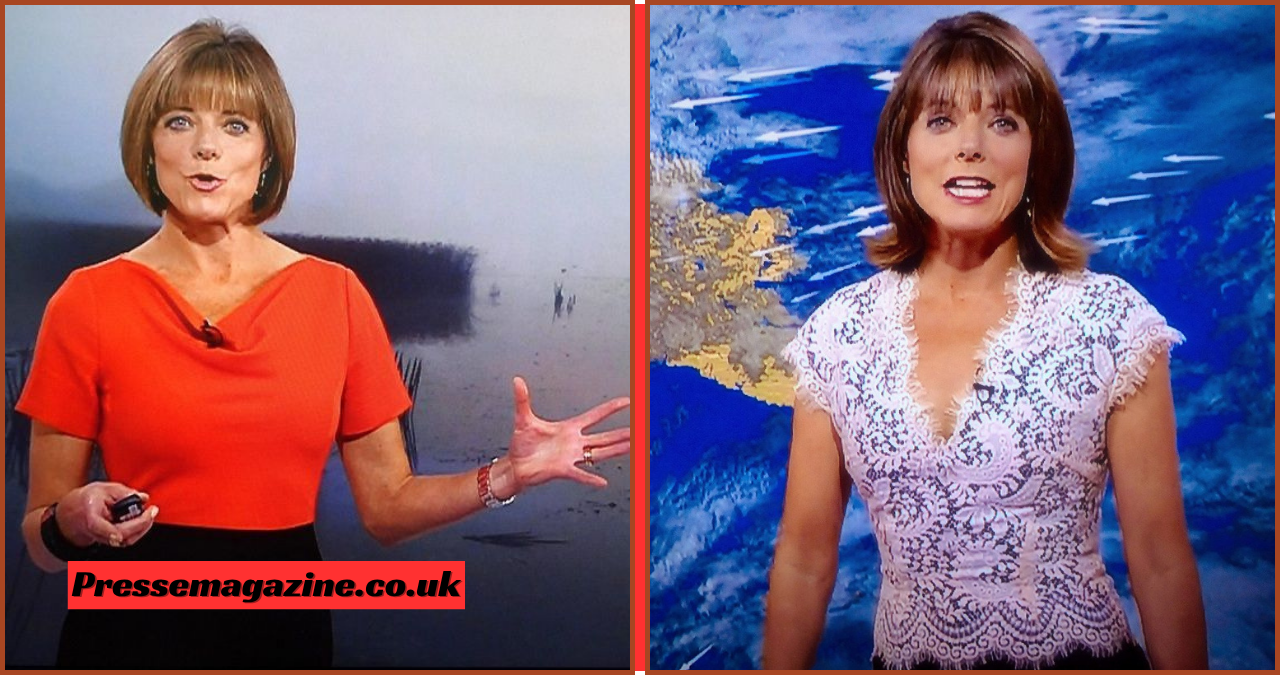
Who Is Louise Lear?
Louise Lear is a familiar name to many British television viewers, particularly those who followed BBC weather forecasts over the years. Known for her calm delivery, professional presentation style and ability to explain changing conditions clearly, she became one of the recognisable faces associated with televised weather. Her career has combined broadcasting skills with an understanding of meteorological information, helping audiences make sense of forecasts that can change rapidly across different parts of the UK.
Unlike many television personalities whose careers are built around entertainment, Louise Lear became known through a role that directly affects everyday life. Weather forecasts influence commuting, travel, outdoor activities, holidays and business decisions, making the presenter an important link between technical forecasting information and the public. Her familiar television presence helped make complicated weather patterns easier to understand, while her experience in live broadcasting allowed her to respond naturally when unexpected moments occurred.
Louise Lear and Her BBC Weather Career
Louise Lear is particularly associated with BBC weather broadcasting, where she became a recognisable presenter for audiences across Britain. Her work involved communicating forecasts in a concise and accessible manner, often using detailed maps, graphics and changing weather information. The role demanded concentration because live forecasts require presenters to follow constantly developing information while maintaining a confident and understandable delivery for viewers watching at home.
During her broadcasting career, Louise Lear worked within the wider professional environment connecting weather forecasting and television production. Weather presenters do considerably more than read temperatures from a screen, as they must understand the information being presented and explain its significance. This combination of technical awareness and communication ability helped establish Lear as a familiar figure in British weather broadcasting and contributed to her long-standing television profile.
What Makes Louise Lear a Recognisable Presenter?
One of the qualities that made Louise Lear memorable was her approachable presentation style. Weather information can sometimes appear complicated, particularly when forecasts involve atmospheric pressure, rainfall systems, strong winds or rapidly developing conditions. A successful presenter needs to simplify this information without losing accuracy. Lear’s television work demonstrated how a presenter can combine professional authority with an accessible style that allows viewers to follow the forecast without needing specialist meteorological knowledge.
Live television also requires a different set of skills from recorded broadcasting. Presenters must be prepared for technical problems, timing changes, unexpected interruptions and moments that cannot be predicted. Louise Lear experienced several memorable moments during her television career, helping demonstrate the unpredictable nature of live broadcasting. These incidents also gave audiences an opportunity to see the personality behind the professional weather presenter, making her more relatable to viewers.
Louise Lear and Her Memorable Television Moments
Louise Lear became particularly memorable after a weather broadcast in which she struggled to contain her laughter while discussing stormy conditions. The moment attracted attention because it was very different from the controlled style normally associated with weather forecasts. Although the subject involved serious weather, her reaction created an unexpected piece of live television that viewers remembered. Such moments can become part of a presenter’s public identity long after the original broadcast has ended.
Another incident associated with Louise Lear involved an awkward live television handover in 2010. She was preparing to appear on screen during a BBC News broadcast, creating an amusing moment for viewers before she eventually delivered the forecast. These situations demonstrate why live broadcasting can be challenging even for experienced professionals. A presenter must quickly regain concentration and continue as normal, regardless of what has happened moments earlier behind the scenes.
The Importance of Weather Presenters in the UK
Weather plays an unusually important role in everyday life across the United Kingdom because conditions can vary dramatically between regions. A forecast may influence whether someone drives to work, plans a countryside walk, attends a sporting event or changes travel arrangements. Weather presenters therefore have a practical responsibility to make information clear. Louise Lear’s career demonstrates how television can transform specialist forecasting data into information that ordinary viewers can understand and use.
The role becomes even more important during severe weather events. Heavy rainfall, snow, strong winds, thunderstorms and periods of unusually high temperatures can create disruption and potential risks. Presenters have to communicate these developments carefully without unnecessarily alarming the public. Their responsibility is to provide useful context, explain likely changes and highlight important warnings when appropriate. This balance between accuracy and accessibility is an essential part of professional weather broadcasting.
Louise Lear and the Evolution of Weather Forecasting
Weather forecasting has changed considerably since Louise Lear became a familiar television presenter. Modern audiences can access forecasts through smartphones, websites, social media platforms and dedicated weather applications at almost any time. Television is no longer the only place where people can find immediate weather information. Despite this change, television presenters continue to offer something valuable by interpreting information and explaining what forecast developments could mean for different regions and communities.
Technology has also transformed the visual presentation of weather information. Modern broadcasts can use detailed computer-generated graphics, satellite imagery, radar information and sophisticated forecasting models. However, technology still needs effective communication to be useful to a general audience. Louise Lear’s career sits within this changing broadcasting landscape, demonstrating the continuing importance of presenters who can take technical information and turn it into a clear, engaging explanation.
What Happened to Louise Lear?
Questions about what happened to Louise Lear often appear because viewers remember her from BBC weather broadcasts and may have noticed changes in television line-ups. Weather presenting is an evolving profession, with broadcasters changing schedules, contracts, presenters and forecasting arrangements over time. A presenter’s reduced television visibility does not necessarily mean that their professional career has ended, as broadcasting roles can change considerably behind the scenes.
Louise Lear’s television career should therefore be viewed within the broader development of British broadcasting rather than through individual appearances alone. Presenters can move between different assignments, work on specialist projects or take on roles that are less visible to the general public. Her established association with BBC weather remains an important part of her professional identity, particularly for viewers who remember her forecasts from earlier years.
Louise Lear’s Broadcasting Style and Public Appeal
The appeal of Louise Lear can partly be explained by the balance between professionalism and personality that she brought to television. Weather presenters are expected to appear confident, particularly when delivering information about potentially disruptive conditions. At the same time, viewers often respond positively to presenters who appear natural rather than overly rehearsed. Lear’s memorable live moments contributed to this sense of personality while her regular forecasts demonstrated her ability to work within the demands of television broadcasting.
Her career also highlights the importance of familiarity in television. Audiences often develop a connection with presenters who appear regularly in their homes, even when the programme itself is relatively brief. A weather forecast may last only a few minutes, yet a familiar presenter can become strongly associated with a particular period of someone’s life. Louise Lear’s recognisable presence helped establish that type of connection with BBC viewers.
Why Louise Lear Remains a Popular Search Topic
The continued interest in Louise Lear is closely linked to the popularity of television personalities who became familiar through trusted broadcasting roles. People often search for information about presenters they remember from television, particularly when they want to discover more about their career, background and later professional activities. Weather presenters can generate especially strong recognition because their appearances are frequent and connected with everyday routines rather than occasional entertainment programmes.
Search interest can also be driven by memorable clips and stories from live television. Louise Lear’s well-known laughing incident is an example of how a short broadcast moment can remain part of public memory. In the digital era, memorable television clips can continue circulating long after their original broadcast. This helps explain why viewers who remember Lear from BBC weather may continue looking for information about her career.
Louise Lear and the Future of Television Weather
The future of television weather is likely to become increasingly connected with digital technology, real-time data and personalised forecasting. Viewers can already receive information tailored to their location, while broadcasters can use increasingly sophisticated graphics to explain developing conditions. Nevertheless, the human presenter remains valuable because audiences often want more than a collection of numbers and symbols. They want someone to explain the story behind the forecast in a straightforward and trustworthy way.
Louise Lear’s career provides an interesting example of how weather presentation has remained relevant despite major changes in technology. Forecasting tools may become more advanced, but communication will always remain important. Whether information is delivered through television, online video or another platform, skilled presenters can help audiences understand complex developments. That combination of information and personality is likely to remain valuable for future generations.
Conclusion
Louise Lear has earned a distinctive place in British television through her career as a weather presenter and her association with BBC broadcasting. Her work demonstrates that weather forecasting is not simply about displaying temperatures or predicting rainfall. It requires communication, preparation, confidence and the ability to explain complex information in a way that remains useful to everyday viewers across the United Kingdom.
Her memorable live television moments have added another dimension to her public profile, showing the unpredictable and human side of broadcasting. As technology continues to transform the way people receive weather information, the importance of clear communication remains unchanged. Louise Lear‘s career therefore offers an interesting insight into British weather television, professional broadcasting and the enduring appeal of familiar presenters.
FAQs
Who is Louise Lear?
Louise Lear is a British television weather presenter who became widely recognised through her work associated with BBC weather broadcasting. She developed a familiar profile among UK viewers through regular television appearances and her ability to communicate forecast information clearly. Her career has also included memorable live television moments that have contributed to her continuing recognition among audiences interested in British broadcasting personalities.
Is Louise Lear a BBC weather presenter?
Louise Lear is best known to the public for her work as a weather presenter associated with the BBC. Her television career placed her among a group of familiar British weather broadcasters who presented forecasts to national audiences. Her professional role involved communicating meteorological information through television, making complex developments accessible to viewers across different parts of the United Kingdom.
Why is Louise Lear famous?
Louise Lear became famous primarily because of her television weather career and regular association with BBC forecasts. She also attracted attention because of memorable moments during live broadcasts, particularly an incident in which she struggled to stop laughing while presenting information about storms. The combination of her professional career and these unexpected television moments helped make her a recognisable broadcasting personality.
What is Louise Lear known for?
Louise Lear is known for her work as a British weather presenter and her association with BBC television. She became familiar to audiences through regular weather forecasts and developed a recognisable on-screen style. Her career also demonstrates the challenges of live television, where unexpected events can become memorable moments that audiences continue discussing years after the original broadcast.
You may also read
kristine saryan