
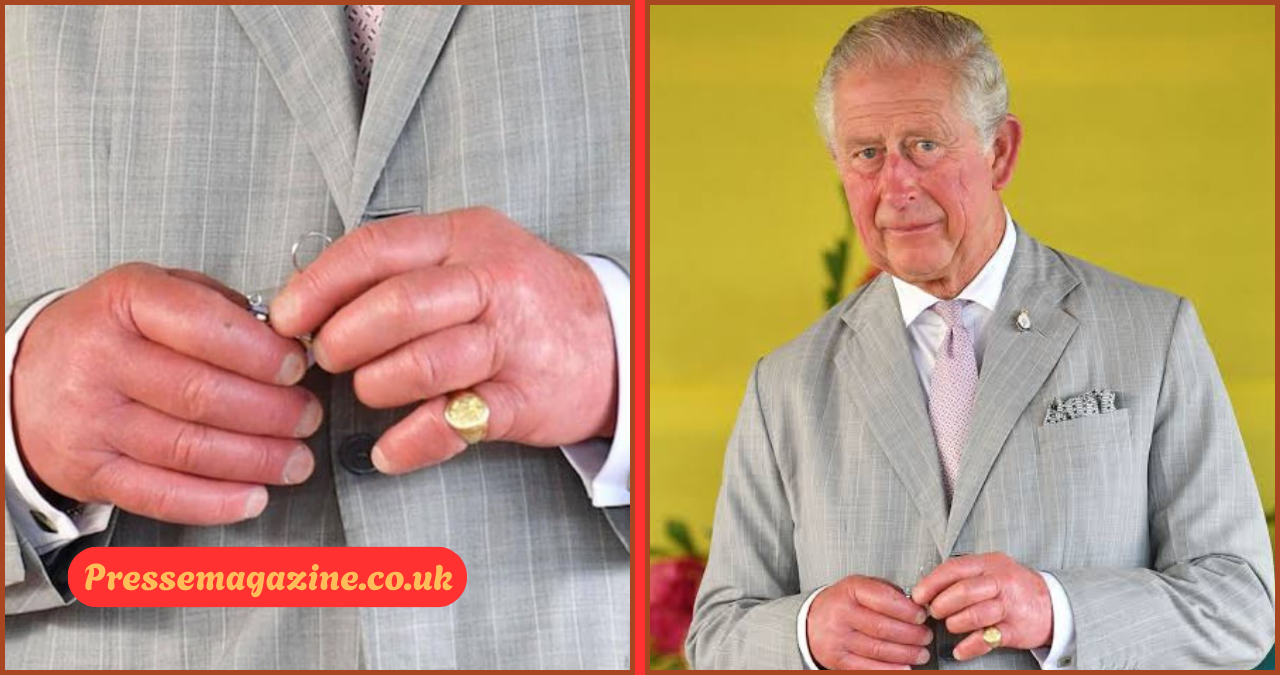
The search term prince charles fingers has attracted considerable attention because of the distinctive appearance of King Charles III’s hands. Although he is now the monarch, many people still search for him using his former title, Prince Charles. Photographs taken throughout his public life have sometimes shown his fingers appearing broad, rounded or swollen, prompting curiosity and online speculation. The subject has become particularly recognisable because Charles himself has joked about having “sausage fingers”, turning what might otherwise be an ordinary physical characteristic into a memorable piece of royal trivia.
Why Are Prince Charles’s Fingers So Noticeable?
The appearance of prince charles fingers is not something that suddenly emerged during his later years. Historical reports indicate that Charles’s hands were noticed when he was a baby, with his mother, Queen Elizabeth II, reportedly describing them as unusually large while also noting his long fingers. This history is important because it shows that his distinctive hands have apparently been part of his appearance for most of his life. Consequently, photographs showing his fingers today should not automatically be interpreted as evidence of a newly developed medical problem.
What Does the Term “Sausage Fingers” Mean?
The phrase “sausage fingers” is an informal description used when fingers appear particularly thick, rounded or puffy. It is not, by itself, a medical diagnosis and should not be treated as one. In Charles’s case, the expression became widely associated with photographs of his hands because his fingers can sometimes appear swollen, particularly in close-up images. The nickname became even more familiar after Charles reportedly used it himself when talking about his son Prince William as a baby, demonstrating that the phrase was not simply invented by internet users.
Has King Charles Ever Mentioned His Fingers?
King Charles has demonstrated that he is aware of the public fascination surrounding his hands and has occasionally approached the subject with humour. During footage connected with his coronation preparations, Prince William made a light-hearted comment while helping his father with part of his ceremonial clothing. Charles responded by joking that William did not have “sausage fingers” like his own. The exchange showed that the King does not necessarily regard the nickname as offensive, while also reinforcing how familiar the description has become within the royal family and wider public.
When Did Public Interest in His Hands Increase?
Although Charles’s hands had reportedly attracted attention since childhood, interest grew considerably after photographs circulated online showing his fingers appearing particularly swollen. One notable moment occurred during a 2021 visit to Clapham Old Town in London, when Charles was photographed pulling a pint. The close-up images prompted many people to comment on the size and appearance of his hands. Similar observations had been made during earlier royal engagements, meaning the fascination was not based on one isolated photograph but developed through repeated public appearances.
Could Swollen Fingers Have a Medical Explanation?
There are numerous possible explanations for swollen fingers in general, although none can be confidently assigned to King Charles without medical evidence. Oedema, for example, refers to swelling caused by fluid collecting in body tissues and can affect the hands as well as other parts of the body. Other possible causes of puffy fingers can include inflammation, injury, certain medications, allergic reactions and some medical conditions. These possibilities explain why doctors may discuss different causes when asked about photographs, but they do not establish a diagnosis for an individual.
Does King Charles Have a Condition Called Dactylitis?
Dactylitis is a medical term describing significant swelling of an entire finger or toe, creating what can look like a sausage-shaped digit. It can occur in association with certain inflammatory conditions, including some forms of arthritis. However, the fact that Charles’s fingers are sometimes described as “sausage fingers” does not mean that he has dactylitis. The nickname is simply descriptive and has been used informally for years. Without an official medical statement, it would be inappropriate to connect photographs of the King’s hands with a specific diagnosis.
Why Can His Fingers Look More Swollen in Some Photographs?
Photographs can make physical features appear different depending on lighting, camera distance, perspective and the position of the hands. Human hands can also change in appearance throughout the day because factors such as temperature, activity and fluid retention may affect swelling. This is particularly relevant when examining photographs of public figures because a single image captures only one moment. Therefore, differences between photographs of Charles’s hands do not necessarily demonstrate that his health has changed. They may simply reflect ordinary variations in appearance and photographic conditions.
What Did Queen Elizabeth Say About Charles’s Hands?
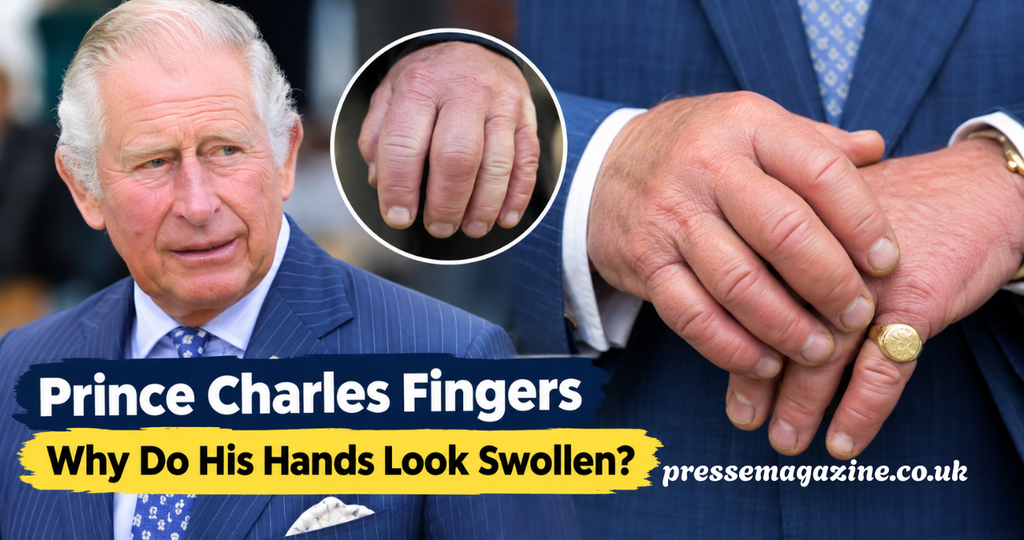
One of the most interesting details surrounding prince charles fingers comes from the period immediately after his birth in 1948. Reports have quoted a letter from Queen Elizabeth II in which she commented on her newborn son’s hands, describing them as relatively large and noting his long fingers. This historical reference is significant because it predates the modern fascination with celebrity photographs and social media by many decades. It suggests that the distinctive appearance of Charles’s hands was noticeable from a very early stage of his life.
Did Prince William Also Joke About His Father’s Fingers?
Prince William has also participated in the light-hearted discussion surrounding his father’s hands. In footage connected with the coronation, William and Charles shared a humorous exchange while preparing for the historic ceremony. William’s comment about a clasp prompted Charles to refer to his own “sausage fingers”. William had previously made another playful reference to his father’s hands during a speech celebrating Charles’s 70th birthday. Such moments demonstrate that the unusual appearance of Charles’s fingers has become a familiar family joke rather than simply an internet phenomenon.
Why Do People Search for Prince Charles Fingers?
Search interest in prince charles fingers reflects the unusual level of public attention given to members of the British Royal Family. Charles has spent decades being photographed at ceremonies, overseas tours, charity visits and official engagements, making even small physical details highly visible. Once photographs of his hands began attracting online discussion, the subject became a recurring search topic. Social media then amplified the conversation through comments, memes and repeated sharing of close-up images, turning an ordinary physical feature into a widely recognised part of Charles’s public image.
Are His Fingers Definitely Swollen?
In some photographs, Charles’s fingers clearly appear puffy or swollen, but photographs alone cannot determine whether the appearance represents temporary swelling, his natural anatomy or another explanation. This distinction is particularly important when discussing the health of a public figure. Medical diagnoses require appropriate clinical assessment and cannot responsibly be made from photographs found online. Reports about Charles have discussed possible causes of swollen fingers, but the King has not publicly confirmed a specific explanation for their appearance. Therefore, claims presenting one particular condition as fact should be approached with caution.
Has the Appearance of His Hands Changed Over Time?
The available historical information suggests that Charles has had distinctive hands since childhood, although photographs from different periods can make them appear more or less prominent. This is an important part of understanding the prince charles fingers search trend. The feature is not simply something that appeared after he became King. Reports from his infancy, comments attributed to Charles himself and photographs from different decades all contribute to the wider story. Nevertheless, variations in photographs should not be used to diagnose changes in his health.
What Is the Most Accurate Explanation?
The most accurate explanation is that King Charles has naturally distinctive hands and fingers that have been noticeable since he was young, while some photographs show them appearing particularly puffy. There are many medical and non-medical reasons why fingers can look swollen, but there is no reliable public evidence that establishes one specific condition as the cause of Charles’s appearance. His own humorous references to “sausage fingers” confirm that he is familiar with the description, but they do not provide a medical explanation for it.
Prince Charles Fingers and Public Curiosity
The fascination with prince charles fingers says as much about modern royal culture as it does about the King himself. Members of the Royal Family are photographed constantly, and today’s high-resolution cameras make small details visible to millions of people. When an unusual feature becomes recognisable, online discussion can quickly transform it into a recurring topic. In Charles’s case, his distinctive hands have generated jokes, medical speculation and genuine curiosity. Yet the most responsible approach is to separate established facts from assumptions and avoid turning photographs into unsupported health claims.
Conclusion
The story behind prince charles fingers is more longstanding than many people realise. Charles’s hands were reportedly noticed for their unusual size when he was still a baby, while later photographs brought renewed public attention to their broad and sometimes swollen appearance. The King has also shown a willingness to joke about his distinctive fingers, helping the phrase “sausage fingers” become part of popular royal conversation. Although several medical conditions can cause swollen fingers, no specific explanation has been publicly confirmed for Charles. The safest conclusion is therefore that his hands are a longstanding and distinctive feature, while individual photographs may show natural variations in their appearance.
FAQs
Why are King Charles’s fingers called sausage fingers?
King Charles’s fingers are informally called “sausage fingers” because they can appear broad, rounded or puffy in photographs. The King himself has reportedly used the expression humorously, including when referring to his own hands after the birth of Prince William. The phrase is therefore a nickname rather than a medical diagnosis.
Has King Charles always had large fingers?
Reports indicate that Charles’s hands were noticeable from infancy. Queen Elizabeth II reportedly commented on his relatively large hands and long fingers shortly after his birth. This suggests that the distinctive appearance is not simply a recent development associated with his age or position as monarch.
Does King Charles have dactylitis?
There is no publicly confirmed evidence that King Charles has dactylitis. Dactylitis is a medical description for substantial swelling of an entire finger or toe, but using the informal phrase “sausage fingers” does not establish that diagnosis. Photographs cannot provide enough information to make such a medical determination.
Why do his fingers sometimes look more swollen?
Hands can appear different depending on temperature, activity, fluid retention, lighting, camera angle and positioning. These factors can affect how swollen or prominent fingers appear in individual photographs. Consequently, a particularly striking image should not automatically be interpreted as evidence of a medical change.
Has King Charles explained why his fingers look swollen?
Charles has joked publicly about having “sausage fingers”, but he has not publicly confirmed a particular medical condition as the explanation for their appearance. Various possible causes of swollen fingers have been discussed by medical commentators, but speculation should not be confused with an official diagnosis.
You may also read
liza tarbuck husband








One Comment