
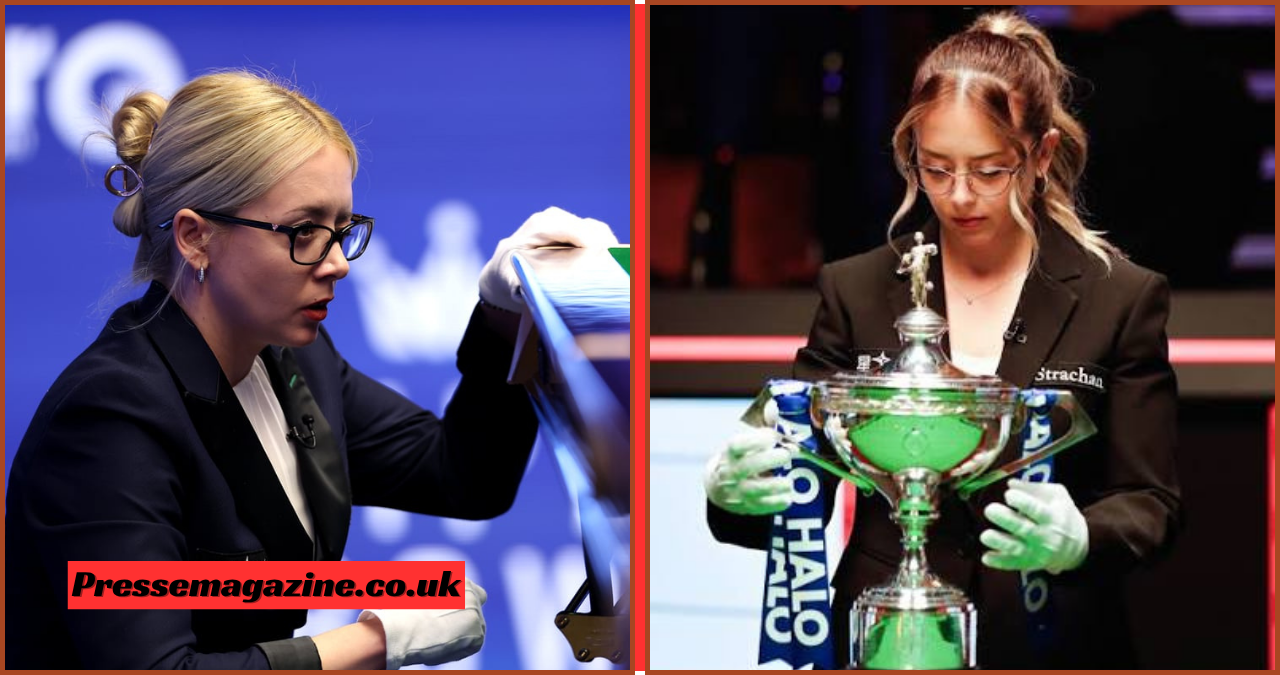
The Rise of Female Snooker Referees
Female snooker referees have become an increasingly visible part of professional snooker, helping to reshape perceptions of who can officiate at the highest level. For many years, snooker was strongly associated with male players, coaches and officials, but that picture has gradually changed. Today, talented women are trusted with important professional matches, including events watched by millions of fans around the world. Their presence demonstrates that professional refereeing depends on knowledge, concentration, confidence and consistency rather than gender.
The growing visibility of female snooker referees is also important for the future of the sport. When younger players see women confidently controlling major matches, they can recognise refereeing as a realistic career opportunity. Names such as Michaela Tabb, Desislava Bozhilova, Tatiana Woollaston and Maike Kesseler have helped create this changing landscape. Their careers show that women can progress through the demanding world of professional snooker and earn positions on some of the sport’s most prestigious stages.
Michaela Tabb’s Historic Contribution
Michaela Tabb remains one of the most recognisable names when discussing female snooker referees. The Scottish official became a professional snooker referee in the early 2000s and quickly established herself within a traditionally male environment. Her appointment to major tournaments was significant because it showed that female officials could operate confidently under the intense pressure associated with televised professional snooker. Her calm manner and detailed understanding of the rules helped her become a respected figure among players and supporters.
Tabb achieved several historic milestones during her career, including refereeing the World Snooker Championship final. Her appearances at the Crucible represented a major moment for women in professional snooker because the World Championship is regarded as the sport’s most prestigious tournament. Her success helped open the door for future female snooker referees and changed the conversation around women working in elite officiating. Although her professional career later came to an end, her influence remains an important part of modern snooker history.
Desislava Bozhilova’s Major Achievements
Desislava Bozhilova has become one of the leading contemporary names among female snooker referees. The Bulgarian official has progressed through the professional circuit with a reputation for composure, accuracy and strong knowledge of the rules. Her career demonstrates how international talent has become increasingly important to modern snooker. Rather than limiting top-level refereeing opportunities to officials from traditional snooker nations, the professional game now includes referees from a much broader range of countries.
Bozhilova has also created history through her involvement in major Triple Crown events. She has officiated at the Masters and UK Championship finals and later reached the World Championship final, completing a remarkable achievement across snooker’s three most prestigious tournaments. Her progress is particularly significant for women hoping to enter professional officiating. Every major appointment increases visibility and provides another example of how female snooker referees can earn trust on the biggest stages through professionalism and consistent performance.
Tatiana Woollaston and Professional Experience
Tatiana Woollaston is another notable name associated with modern female snooker referees. Her involvement in professional events reflects the gradual normalisation of women within the sport’s officiating structure. Rather than being regarded simply as occasional participants, experienced female officials are increasingly part of the wider professional referee community. Their continued appointments demonstrate that skill and reliability are the qualities that matter most when officials are selected for demanding competitive matches.
Professional refereeing requires officials to maintain concentration for extended periods while remaining completely impartial. Woollaston’s experience illustrates the importance of developing these qualities through repeated exposure to competitive matches. A referee must understand the rules, observe the table carefully and communicate decisions clearly without becoming distracted by players, spectators or television cameras. These demands explain why experienced female snooker referees can play such an important role in maintaining the quality and credibility of professional competitions.
Maike Kesseler’s International Journey
Maike Kesseler represents another important chapter in the development of female snooker referees. Originally from Germany, Kesseler developed her career within the international snooker environment and eventually gained opportunities to officiate at significant professional tournaments. Her journey highlights how refereeing can develop from a personal interest in the sport into a specialised professional career. It also demonstrates the international nature of modern snooker, where officials can travel extensively to work at prestigious events.
Kesseler’s career is particularly interesting because becoming a professional referee involves much more than simply enjoying snooker. Officials must learn complicated regulations, understand table situations and develop the confidence required to make decisions in front of large audiences. Female snooker referees working internationally also experience different venues, players and tournament conditions. This combination of technical knowledge and practical experience helps officials develop the authority needed to control matches at the highest level.
What Do Female Snooker Referees Do?
The responsibilities of female snooker referees are broadly the same as those performed by male officials. Their central responsibility is to enforce the rules fairly while ensuring that the match proceeds smoothly. Referees monitor shots, identify fouls, announce scores, manage situations involving snookers and ensure balls are replaced correctly when required. They must also remain alert to player conduct and make impartial decisions even when a particular ruling could significantly affect the outcome of a frame.
Accuracy is especially important because professional snooker can involve extremely small margins. A referee may need to determine whether a ball has moved, whether a cue ball has contacted another ball or whether a particular position constitutes a foul. These decisions require excellent eyesight, concentration and knowledge of the game’s regulations. Female snooker referees therefore perform a highly technical role that requires confidence and discipline, particularly when officiating matches involving experienced world-class players.
Skills Required to Become a Snooker Referee
Anyone hoping to become a professional snooker referee needs a strong understanding of the game’s rules and procedures. Knowledge alone, however, is not enough to succeed at the professional level. Officials need patience, concentration, communication skills and the ability to remain calm when players or spectators disagree with a decision. Female snooker referees also need to develop a strong professional presence because they may be required to make difficult decisions while standing in front of television cameras and large audiences.
Experience is another important part of developing a refereeing career. Officials generally benefit from working at smaller competitions before progressing towards increasingly demanding events. Every match provides an opportunity to improve positioning, communication and decision-making. Over time, successful referees can build the confidence and reputation required for larger tournaments. For aspiring female officials, the careers of established professionals provide useful evidence that a carefully developed pathway can lead towards opportunities within international snooker.
Why Female Officials Matter in Snooker
The presence of female snooker referees has a significance that extends beyond individual tournament appointments. Representation can influence how younger people perceive opportunities within sport. A young woman interested in snooker may previously have imagined that professional participation was limited to playing, but visible female officials demonstrate that careers can also exist in refereeing and other areas. This broader representation can help make the sport more welcoming and encourage greater participation among women and girls.
Female officials also contribute to the professional identity of modern snooker. Their involvement shows that the sport is capable of evolving while retaining its traditional values of skill, precision and respect. As women’s participation continues to develop across cue sports, the relationship between players, referees, coaches and administrators is becoming increasingly diverse. The achievements of leading female snooker referees therefore represent more than personal success; they form part of a wider change in the culture and visibility of the sport.
The Future of Female Snooker Referees
The future looks promising for female snooker referees as more women gain experience and visibility across professional competitions. The success of officials such as Bozhilova demonstrates that women can reach the very highest levels of tournament officiating. At the same time, the continued presence of experienced referees creates role models for newcomers who may be considering the profession. Greater visibility can encourage more women to learn the rules, gain practical experience and pursue formal refereeing opportunities.
The next stage of development will likely involve continuing to make professional pathways accessible to talented officials regardless of gender. As snooker expands internationally, the demand for highly trained referees can create opportunities for people from different backgrounds and countries. Female snooker referees are already an established part of the professional landscape, and their growing presence suggests that future generations may view women officiating major matches as completely normal rather than unusual.
Conclusion
Female snooker referees have transformed from relative pioneers into an increasingly established part of professional cue sports. Michaela Tabb helped break important barriers, while Desislava Bozhilova, Tatiana Woollaston and Maike Kesseler represent the continuing development of women within modern snooker officiating. Their careers demonstrate that successful refereeing depends on knowledge, concentration, judgement and professionalism rather than gender. As more women enter the sport, their visibility can inspire a new generation of officials.
The story of female snooker referees is therefore not simply about individual achievements or historic appointments. It reflects the broader evolution of a sport that continues to attract international audiences and participants. With experienced officials providing inspiration and pathways becoming more visible, women have increasing opportunities to contribute to snooker from beyond the playing arena. Their continued progress should help create a more diverse, competitive and inclusive future for professional snooker.
FAQs
Who was the first famous female snooker referee?
Michaela Tabb is widely recognised as one of the pioneering female snooker referees of the modern professional era. She became a professional official in the early 2000s and subsequently refereed major ranking events and World Championship matches. Her career was important because she demonstrated that women could operate successfully under the pressure associated with elite professional snooker. Her achievements helped create greater visibility for female officials and provided an example for women who wanted to pursue refereeing careers.
Who is Desislava Bozhilova?
Desislava Bozhilova is a Bulgarian professional snooker referee who has established herself as one of the leading female officials in contemporary snooker. She has worked at major professional tournaments and achieved the distinction of refereeing finals across all three Triple Crown competitions. Her career is significant because it combines international representation with high-level officiating experience. Bozhilova has consequently become an important role model for women interested in pursuing careers within professional snooker.
Are female snooker referees treated differently?
Professional referees are expected to apply the same rules regardless of their gender. Female snooker referees must make decisions based on the regulations and maintain impartiality throughout a match. While women may historically have faced greater scrutiny because fewer female officials were visible at the highest level, increasing representation is gradually making their presence more familiar. Ultimately, successful referees earn credibility through accurate decisions, professionalism, confidence and their ability to manage difficult match situations.
How can someone become a snooker referee?
A person interested in becoming a snooker referee should begin by developing a detailed understanding of the official rules and gaining practical experience wherever opportunities are available. Refereeing smaller competitions can help develop positioning, communication and decision-making skills. Aspiring officials can then investigate recognised training and examination pathways connected with snooker organisations. Progression takes time because professional tournaments require officials who can demonstrate consistent accuracy and composure under significant competitive and broadcast pressure.
You may also read
harvey kirby ross