
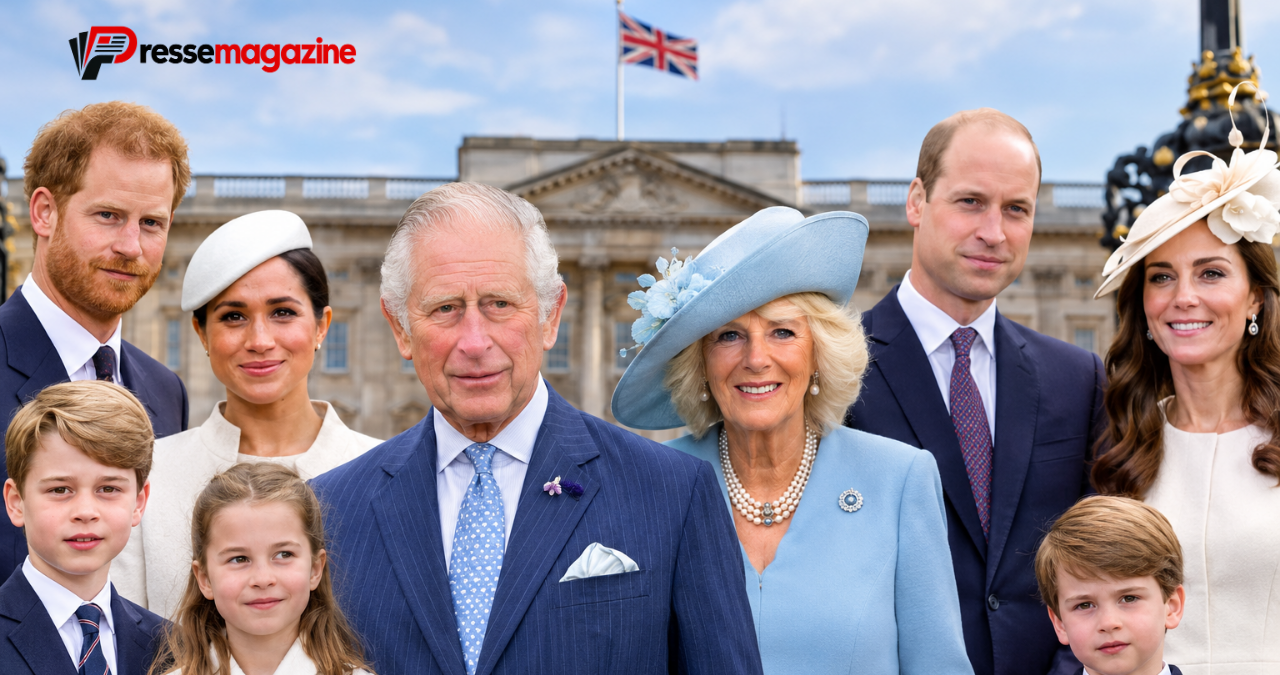
What Is the Royal Family?
The royal family is one of the most recognisable institutions in the United Kingdom, with a history stretching across generations of British life. The term generally refers to the close relatives of the reigning monarch, particularly those who undertake official duties on behalf of the Crown. Members can attend national ceremonies, visit charities, meet community groups and represent Britain at important occasions. Although royal life is strongly connected with tradition, the family continues to adapt as society changes and expectations surrounding public figures evolve.
The modern royal family combines ceremonial traditions with public service and constitutional responsibilities. The monarch remains the UK’s head of state, while selected family members support the Crown through official engagements and charitable work. Their activities can range from visiting hospitals and schools to attending diplomatic receptions and national commemorations. This combination of historic symbolism and modern public engagement helps explain why the royal family continues to attract considerable attention across Britain and around the world.
How Did the Royal Family Develop?
The history of the royal family is closely connected with the development of the British monarchy itself. Earlier monarchs possessed considerably greater political authority than the sovereign does today, with royal power changing gradually through conflicts, legislation, political reforms and the growth of Parliament. Over centuries, Britain developed a constitutional system in which elected representatives gained greater authority while the monarch retained important formal and ceremonial responsibilities. Understanding this historical journey helps explain why the royal family has such a distinctive position in modern Britain.
Royal traditions have also changed as Britain itself has transformed. Customs that once belonged almost exclusively to court life gradually became part of national ceremonies and public occasions. The monarchy survived major political, social and economic changes by adapting its public role while retaining elements of historic continuity. Today, royal ceremonies often combine centuries-old symbolism with modern communication and public engagement, creating a visible connection between Britain’s past and present.
Who Is the Head of the Royal Family?
The reigning monarch is the head of the royal family and serves as the United Kingdom’s head of state. The sovereign performs formal constitutional duties, including appointing a prime minister, opening Parliament and giving royal assent to legislation. These responsibilities operate within established constitutional conventions rather than through personal political authority. The monarch is expected to remain politically neutral while representing the country during important national occasions, diplomatic events and ceremonies that require the presence of the head of state.
The monarch also provides a sense of continuity during periods of national change. Royal appearances at commemorations, anniversaries and major public events can bring attention to moments that hold significance for communities across the country. The sovereign’s position is therefore both practical and symbolic. While elected governments make political decisions, the monarch represents the Crown and performs constitutional functions that have developed over many generations.
Which Members of the Royal Family Have Official Duties?
Not every relative of the monarch has an official position within the royal family. Working members are generally those who undertake regular public engagements, represent the Crown or support charitable organisations through patronages and visits. Their responsibilities can include attending ceremonies, meeting volunteers, supporting military organisations and visiting businesses or community projects. The number of working royals can change over time because duties depend on circumstances, personal decisions, age and the needs of the institution.
Official royal engagements can appear simple from the outside, but many involve preparation and long-term relationships. A royal visit may provide an opportunity for an organisation to discuss its work directly with a senior member of the family. Meetings can involve charity leaders, healthcare professionals, teachers, veterans, young people and community volunteers. Through these activities, working royals help maintain public connections with organisations and causes across the United Kingdom.
What Role Does the Royal Family Play in Britain?
The royal family performs several different roles within British public life. The monarch has constitutional and ceremonial responsibilities, while working family members often represent the Crown at events and support charitable causes. Royal engagements can bring public attention to areas such as education, health, culture, sport, environmental protection and support for service communities. Their presence can also strengthen relationships between royal institutions and organisations operating at local, national and international levels.
The family’s role is not limited to formal ceremonies. Members can visit communities, meet people affected by social challenges and highlight the efforts of charities and volunteers. These appearances can create valuable publicity for organisations that depend on public awareness and support. At the same time, the monarchy remains a subject of discussion across Britain, with public debate focusing on tradition, constitutional arrangements, funding, accountability and the institution’s relevance in modern society.
Why Is the Royal Family So Popular Around the World?
Interest in the royal family extends well beyond the United Kingdom, making royal events a major part of international media coverage. Weddings, coronations, anniversaries, births and major ceremonies can attract audiences across continents. Individual members can also develop global profiles through their public appearances, charitable interests and family milestones. The combination of history, ceremony and personal stories creates a distinctive form of public interest that few other institutions can generate on the same scale.
Modern technology has made royal news even easier to access. Official announcements can reach millions of people through websites and social media, while television, newspapers and digital publications provide extensive coverage of major events. International audiences may follow the royal family because of British history, fashion, charitable work, family developments or an interest in constitutional traditions. This global attention has helped keep the monarchy highly visible in an increasingly connected media environment.
What Are the Main Royal Traditions?
Royal traditions form an important part of the public image of the monarchy. Ceremonial occasions can include state events, investitures, royal processions, national commemorations and the State Opening of Parliament. These occasions often involve historic buildings, formal clothing, military ceremonies and established protocols. Such traditions provide visual reminders of the monarchy’s long history while creating a sense of continuity during significant moments in the national calendar.
However, royal traditions are not completely fixed. The institution has repeatedly adapted customs and public practices to reflect changing circumstances. Modern royal ceremonies may still contain centuries-old elements while using contemporary technology and communication methods. This ability to preserve recognisable traditions while adjusting their presentation has helped the royal family remain visible to new generations. The result is an institution where historic ceremony and modern public life exist side by side.
How Does the Royal Family Support Charities?
Charitable work is a major part of the public responsibilities undertaken by working members of the royal family. Royals can become patrons of organisations, attend fundraising events, meet beneficiaries and promote awareness of important causes. Their interests may include children’s welfare, education, mental health, environmental issues, sport, culture and support for military communities. By appearing alongside charities and community organisations, royal members can help bring wider public attention to their activities.
Long-term royal patronages can also create continuing relationships rather than one-off appearances. A royal may visit the same organisation on different occasions, meet people involved in its programmes and learn about developments over time. For charities, such support can provide visibility and opportunities to communicate their work to wider audiences. Although the impact of individual engagements can vary, charitable activity remains an important way for the royal family to demonstrate public service.
How Has the Royal Family Changed in Modern Britain?
The royal family has changed significantly as British society has become more modern, diverse and digitally connected. Expectations around privacy, public accountability, family life and communication are very different from previous generations. Members of the royal family now operate in an environment where photographs, statements and public appearances can reach audiences instantly. This creates opportunities for direct communication but also increases scrutiny, making public image management an important part of modern royal life.
Younger generations have also grown up with a different relationship to institutions and authority. As a result, the royal family has had to demonstrate relevance through community engagement, charitable activity and more accessible forms of communication. The institution continues to preserve important traditions, but it also faces questions about its future role. Its ability to adapt while maintaining constitutional continuity is likely to remain an important issue for the monarchy in the years ahead.
Why Does the Royal Family Remain Important?
The continuing importance of the royal family can be understood through several different perspectives. Supporters often view the monarchy as a symbol of national continuity, tradition and British history, while others focus on its ceremonial and charitable functions. Royal events can bring communities together during significant national occasions, and the monarch provides a non-political figurehead for the state. These characteristics distinguish the monarchy from elected political institutions and help explain its continuing presence.
At the same time, public opinion about the royal family is not uniform. Some people question the relevance, cost or privileges associated with hereditary monarchy, while others believe its traditions and constitutional position remain valuable. These differing perspectives form part of Britain’s wider democratic conversation. Understanding the royal family therefore involves recognising both its historic importance and the debates surrounding its future rather than viewing the institution through a single perspective.
Conclusion
The royal family remains a unique institution within modern Britain, combining constitutional responsibilities, centuries of history, ceremonial traditions and public service. Its members continue to attract attention through official engagements, charitable activities, national celebrations and major family events. While the monarchy has changed considerably from earlier periods, its ability to adapt has allowed it to remain part of British public life. Understanding the royal family requires looking beyond individual headlines and considering its wider historical, constitutional and social role.
The future of the royal family will ultimately depend on how successfully it balances tradition with modern expectations. Britain continues to debate the purpose and value of the monarchy, ensuring that its role remains a subject of public interest. Whether viewed as a symbol of continuity, a constitutional institution or a tradition worthy of debate, the royal family remains deeply connected with the story of the United Kingdom. Its next chapters will be shaped by changing society and future generations.
FAQs
Who Is the Royal Family?
The royal family generally refers to the close relatives of the reigning British monarch, particularly those who have public or constitutional responsibilities. Some relatives undertake official engagements, while others live largely private lives and do not perform regular royal duties.
Does the Royal Family Run the UK?
No, the royal family does not run the United Kingdom. The country is governed by elected politicians and Parliament, while the monarch carries out constitutional and ceremonial responsibilities according to established conventions.
Do All Royal Family Members Have Official Jobs?
No. Only selected members undertake regular official duties on behalf of the Crown. Responsibilities can change over time depending on family circumstances, public requirements and decisions made by individual members.
Why Does the Royal Family Attend Charity Events?
Royal members attend charity events to support organisations, meet beneficiaries, highlight important causes and encourage public awareness. Their involvement can give charitable organisations additional visibility and opportunities to communicate their work.
Will the Royal Family Change in the Future?
The royal family is likely to continue evolving as British society changes. Technology, public expectations, financial considerations, social attitudes and the responsibilities of future generations could all influence how the monarchy operates.
You may also read
welsh actors









One Comment