
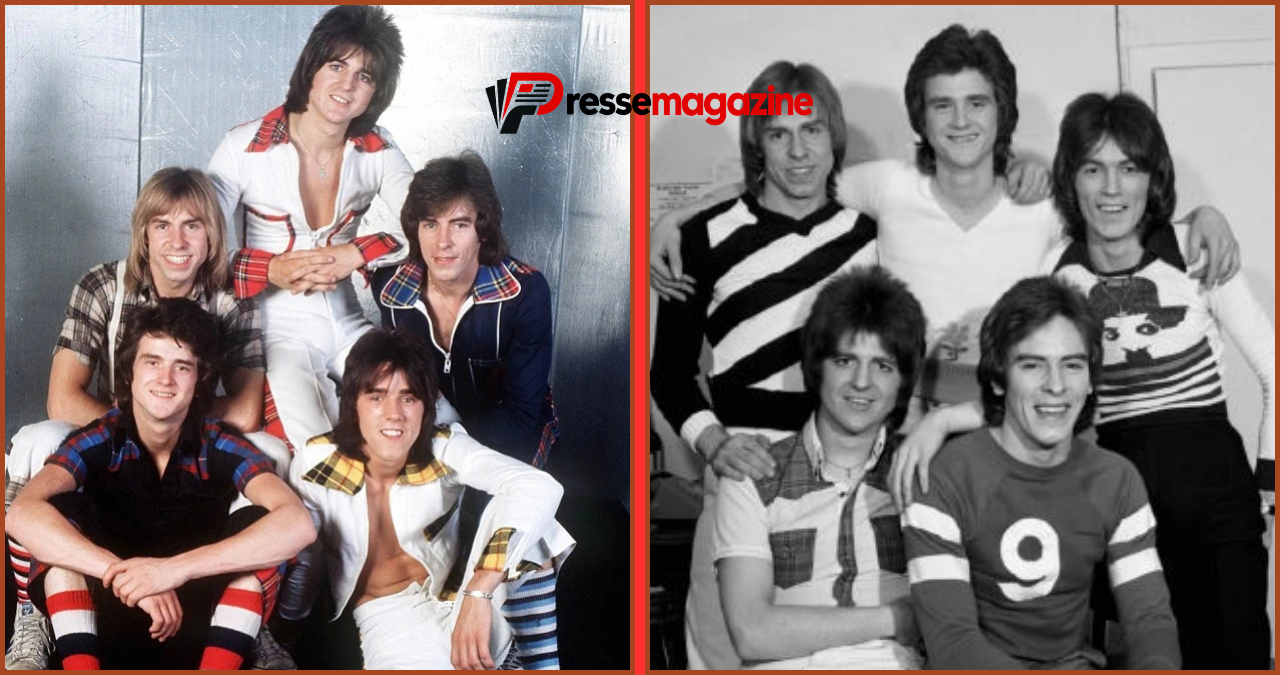
Who Were the Bay City Rollers?
The Bay City Rollers were a Scottish pop group from Edinburgh who became one of the most recognisable acts of the 1970s. Their catchy songs, energetic performances and distinctive tartan-inspired style helped them develop a huge following in Britain and overseas. At the height of their popularity, the group became closely associated with teenage culture and a phenomenon known as Rollermania. Their story remains fascinating because the band combined music, fashion, television appearances and fan culture in a way that made them much more than a conventional pop group.
The roots of the Bay City Rollers can be traced to Edinburgh, where musicians including brothers Alan and Derek Longmuir helped establish the group. The band experienced several changes during its early years and originally performed under different names before becoming the Bay City Rollers. Their first major breakthrough came with “Keep on Dancing” in 1971, which reached the UK Top 10. Although later releases initially struggled to achieve the same level of success, the group continued developing until a dramatic rise in popularity transformed their career.
How Did the Bay City Rollers Become Famous?
The rise of the Bay City Rollers gathered pace during the early and mid-1970s, when a combination of successful singles, television appearances and a carefully recognisable image brought them to national attention. Les McKeown became the group’s lead singer during this important period, while musicians including Stuart Wood and Eric Faulkner became associated with the classic line-up. Their accessible pop sound appealed strongly to younger audiences, while their colourful appearance helped make them immediately recognisable whenever they appeared on television or in photographs.
Several successful singles helped establish the Bay City Rollers as major British pop stars. Songs such as “Remember”, “Shang-A-Lang”, “Summerlove Sensation” and “All of Me Loves All of You” helped build their momentum, while “Bye Bye Baby” became another major success. Their music was straightforward, melodic and designed around memorable choruses, qualities that made the songs particularly effective with a young audience. As their popularity grew, the band’s concerts attracted increasingly enthusiastic crowds, creating the extraordinary fan phenomenon that became known as Rollermania.
What Was Rollermania?
Rollermania was the term used to describe the remarkable enthusiasm surrounding the Bay City Rollers during their commercial peak. Fans followed the band’s music, television appearances, photographs and public activities with extraordinary interest. The phenomenon demonstrated how powerful teenage fandom could become during the 1970s, particularly when television and popular music worked together to create a strong connection between performers and audiences. The Rollers’ supporters also adopted aspects of the band’s distinctive appearance, making the group’s influence visible outside concerts and record shops.
The scale of Rollermania helped turn the Bay City Rollers into an international pop attraction. Their popularity extended beyond Britain, particularly into the United States, where their music found a substantial audience. “Saturday Night” became a major American success and reached number one on the Billboard Hot 100 in 1976. This international achievement showed that the group’s appeal was not limited to Scottish or British audiences. Their combination of simple melodies, energetic delivery and recognisable fashion had created a pop identity that travelled successfully across borders.
What Are the Most Famous Bay City Rollers Songs?
The Bay City Rollers produced several songs that remain strongly associated with 1970s pop music. Among the best-known recordings are “Saturday Night”, “Bye Bye Baby”, “Shang-A-Lang”, “Summerlove Sensation”, “Give a Little Love” and “I Only Want to Be with You”. These tracks helped define the band’s commercial era and introduced their music to audiences around the world. Their songs generally combined catchy melodies with energetic arrangements, making them easy to remember and particularly effective when performed to large crowds.
“Saturday Night” remains especially important when discussing the Bay City Rollers because of its international success and instantly recognisable chorus. The song became closely connected with the band’s energetic public image and remains a popular choice in discussions of classic 1970s music. “Bye Bye Baby” was another major recording, while songs such as “Shang-A-Lang” helped reinforce the group’s distinctive pop identity. Decades later, these recordings continue to appear on compilation albums, nostalgia programmes and playlists celebrating the music of the period.
Why Did the Bay City Rollers Wear Tartan?
Tartan became one of the most recognisable visual features of the Bay City Rollers. As a Scottish group, the musicians incorporated tartan into their clothing and stage image, creating a style that immediately distinguished them from many other contemporary pop acts. The look became closely connected with the band’s identity and was quickly adopted by supporters. Fans wearing tartan-inspired clothing became a visible part of Rollermania, demonstrating how the group’s fashion choices had become an important part of its wider cultural influence.
The tartan image also gave the Bay City Rollers a strong connection with Scotland while helping establish a commercially recognisable brand. During the 1970s, pop groups increasingly understood the importance of distinctive visual presentation, and the Rollers became a particularly clear example of this trend. Their clothes, hairstyles and performances worked together with their music to create a complete identity. Even today, tartan remains closely associated with the group, appearing in historical photographs, merchandise and promotional material connected with their continuing musical legacy.
Who Were the Famous Bay City Rollers Members?
The classic Bay City Rollers line-up is particularly associated with Les McKeown, Eric Faulkner, Stuart “Woody” Wood, Alan Longmuir and Derek Longmuir. Les McKeown became the lead vocalist most closely identified with the band’s commercial peak. Eric Faulkner and Stuart Wood were important members of the musical line-up, while Alan and Derek Longmuir were central figures in the group’s origins. Together, these musicians became closely connected with the period that produced the band’s best-known songs and the height of Rollermania.
The history of the Bay City Rollers includes many other musicians because the band’s membership changed considerably over time. Ian Mitchell, Pat McGlynn and Duncan Faure were among the musicians associated with different periods of the group. These changes can sometimes make the band’s history complicated for new listeners, particularly when researching the original line-up and later versions. Understanding the different eras helps explain why the Bay City Rollers continued to appear in different forms after the extraordinary success of their classic 1970s period.
What Happened to the Bay City Rollers?
The extraordinary popularity of the Bay City Rollers eventually declined as musical tastes changed and the group experienced further personnel changes. By the late 1970s, the band was attempting to move beyond the image that had made them famous, and they briefly used the name “The Rollers”. Their commercial success was no longer comparable with the height of Rollermania, but the musicians continued to perform and explore new directions. The group’s later history therefore became a mixture of changing line-ups, reunion projects and continued interest in their classic recordings.
Several important members of the Bay City Rollers have died in the years since the group’s peak. Alan Longmuir died in 2018, Ian Mitchell died in 2020 and Les McKeown died in 2021. Their deaths marked significant moments in the history of a group that had influenced an entire generation of pop fans. Despite these losses, the music associated with the classic era remains widely recognised. The continuing interest in their songs demonstrates how strongly the band’s most successful period remains embedded in British popular culture.
Are the Bay City Rollers Still Active?
The Bay City Rollers name has continued through later live performances and musical projects. The band’s official website promotes current activities and performances, allowing fans to follow live appearances and explore material connected with the group’s history. Stuart “Woody” Wood provides an important link with the band’s classic era and has continued performing the music associated with the Rollers. The modern group should therefore be viewed as a later incarnation rather than the complete original line-up responsible for the height of Rollermania.
The continued presence of the Bay City Rollers demonstrates the lasting appeal of classic pop music. Long-time supporters can revisit songs connected with their youth, while younger listeners can discover the band’s recordings through streaming services, compilation albums and television features. Live performances provide another way for the music to remain part of contemporary entertainment. Although the music industry has changed considerably since the 1970s, the recognisable songs, tartan image and Scottish identity still give the Bay City Rollers a distinctive place in popular culture.
Why Do the Bay City Rollers Remain Popular?
The enduring interest in the Bay City Rollers can be linked to several parts of their cultural legacy. Their songs are easy to recognise, their visual identity is distinctive and the story of Rollermania remains an interesting example of 1970s youth culture. The band also represents a period when television, radio, record shops and live concerts were central to the way young audiences discovered music. Their success shows how an artist could build a powerful relationship with fans before the age of social media and digital streaming.
For many listeners, the Bay City Rollers represent more than a collection of hit singles. They are connected with memories of tartan fashion, energetic television performances, teenage excitement and a particularly colourful period in British pop history. Their journey from Edinburgh musicians to international stars gives their story a strong narrative, while the later changes in membership add further complexity. Their continued recognition proves that music associated with a particular generation can remain relevant when its melodies, imagery and cultural story continue to attract interest.
Conclusion
The Bay City Rollers remain one of the most recognisable Scottish pop groups in British music history. Their journey from Edinburgh beginnings to international fame included chart success, memorable songs, distinctive tartan clothing and the extraordinary phenomenon of Rollermania. Although the original line-up eventually changed and several important members have since died, their music continues to attract listeners. Songs such as “Saturday Night”, “Bye Bye Baby” and “Shang-A-Lang” remain closely connected with the colourful musical world of the 1970s.
The continuing interest in the Bay City Rollers shows the remarkable longevity of a successful pop identity. Their songs can still introduce new listeners to the sound of their era, while long-time fans continue to celebrate the memories associated with Rollermania. From Scottish roots and tartan fashion to international chart success and later live performances, their history contains several distinct chapters. The Bay City Rollers therefore remain an enduring part of British pop culture and an important example of how music can become a lasting generational memory.
FAQs
What was the biggest Bay City Rollers hit?
“Saturday Night” is one of the most famous songs associated with the Bay City Rollers and became their biggest American chart success. The song reached number one on the Billboard Hot 100 in 1976, giving the Scottish group a major achievement in the United States. In Britain, the band also enjoyed significant success with songs including “Bye Bye Baby”, “Give a Little Love”, “Shang-A-Lang” and “Summerlove Sensation”. Together, these recordings helped establish the musical identity that became synonymous with the group’s most successful era.
Where did the Bay City Rollers come from?
The Bay City Rollers originated in Edinburgh, Scotland. The group developed through the activities of musicians including brothers Alan and Derek Longmuir and went through several early changes before establishing its famous identity. Their Scottish background became an important part of their public image, particularly through their use of tartan clothing. From their beginnings performing in Scotland, they eventually developed into an internationally recognised pop group whose music reached audiences across Britain, Europe, North America and other parts of the world.
Why were they called the Bay City Rollers?
The band’s name Bay City Rollers was reportedly chosen after members selected Bay City in Michigan from a map of the United States. The name was unusual and memorable, helping distinguish the group from other Scottish performers of the era. Although the musicians were firmly associated with Edinburgh and Scottish culture, choosing an American place name also reflected the international ambitions that would later become relevant to their career. Their eventual success in the United States gave the name an interesting connection with one of the band’s most important overseas markets.
What made the Bay City Rollers different?
The Bay City Rollers combined catchy pop songs with a strong visual identity and a highly engaged fan culture. Their tartan clothing became almost inseparable from their public image, while their energetic performances encouraged supporters to participate in the Rollermania phenomenon. This combination helped make the group instantly recognisable during the 1970s. Their success therefore cannot be understood through record sales alone, because fashion, television, live entertainment and teenage fandom all played important roles in turning the Rollers into a wider cultural phenomenon.
You may also read
vicky mcclure